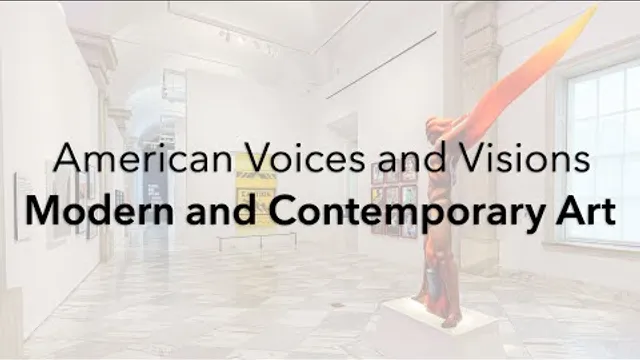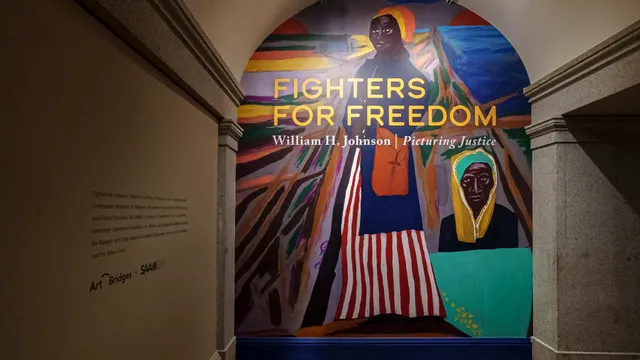


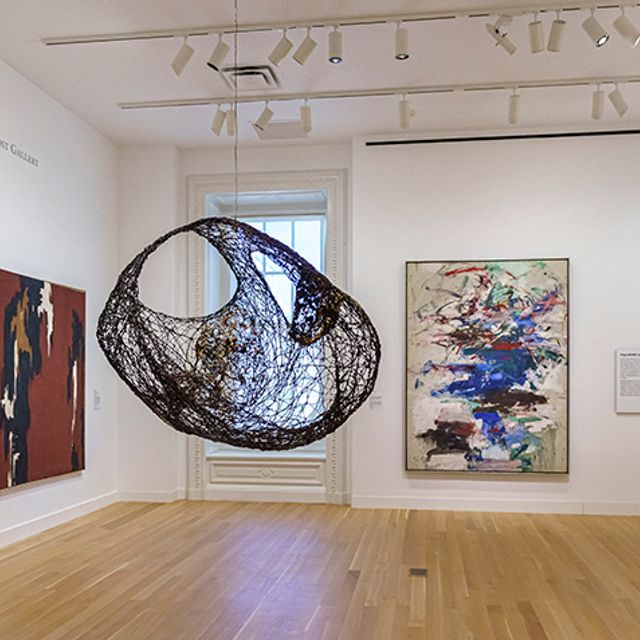
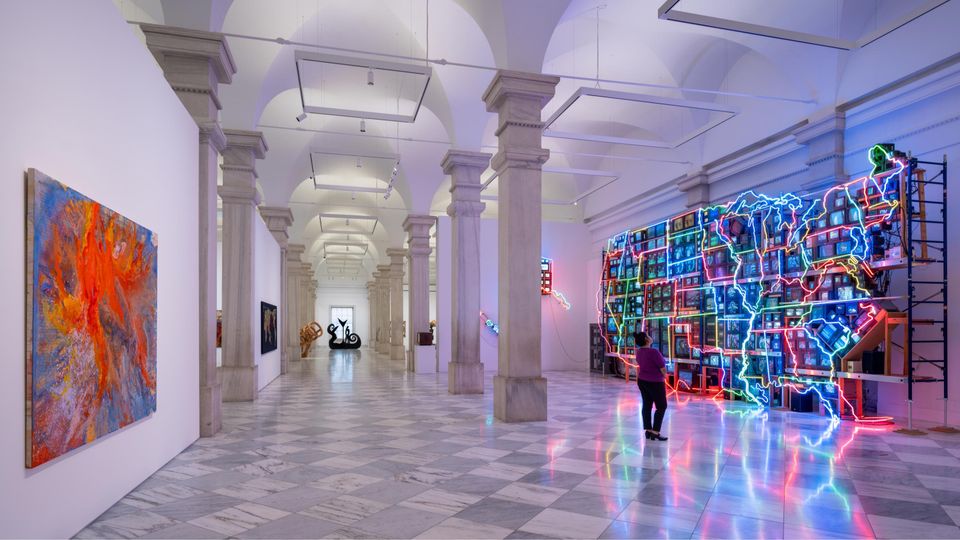
Explore the sweep of four centuries of the the American imagination at the nation's flagship museum for American art and craft. Dive into inspiring artworks, special exhibitions, and the reimagined collection — American Voices and Visions: Modern and Contemporary Art. Experience our offerings both online and in person at our two locations, including national educational programs, innovative research, video interviews with artists, virtual artist studio tours, lectures, and more. Admission is always free.
Featured Exhibitions
The Temple of Invention AR Experience
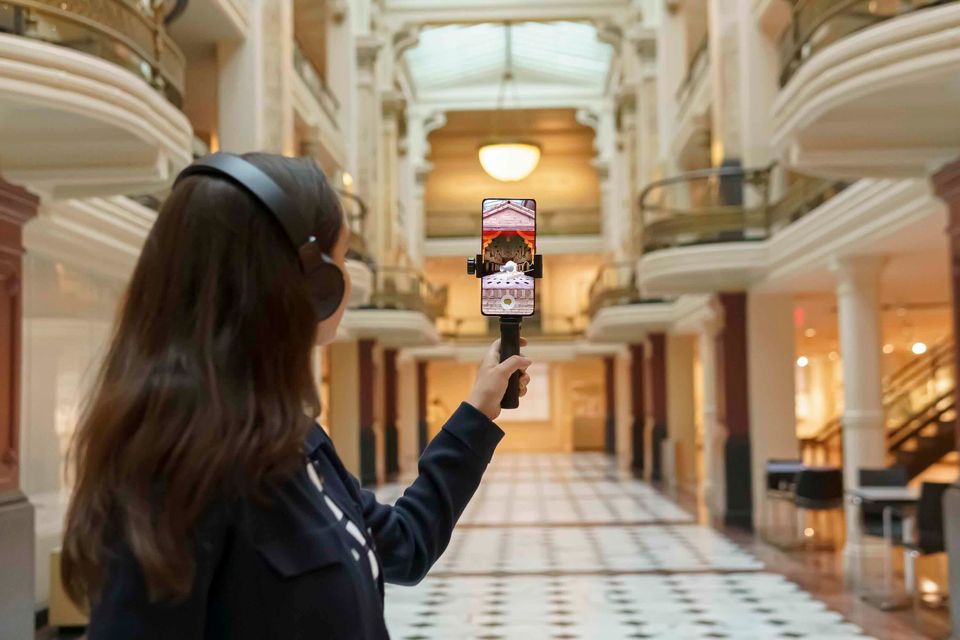
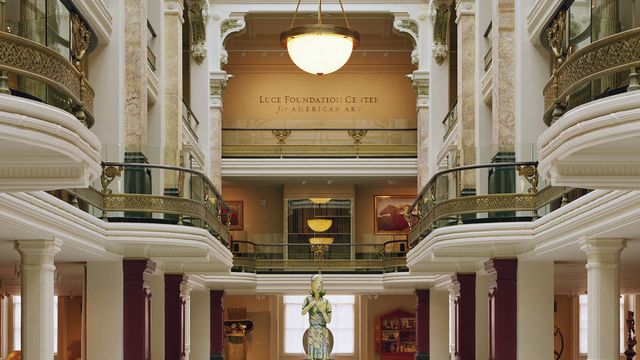
Before it was an art museum, SAAM’s historical building housed the patent office, the heart of America’s early drive to inspire innovation. Through this new AR game designed for the whole family, meet some of the fascinating people—including presidents, inventors, soldiers, poets, artists, and architects—who walked the halls of this “temple of invention.” This free experience is available for a limited time only so act fast!
Audio Guides
Experience the Museum Your Way
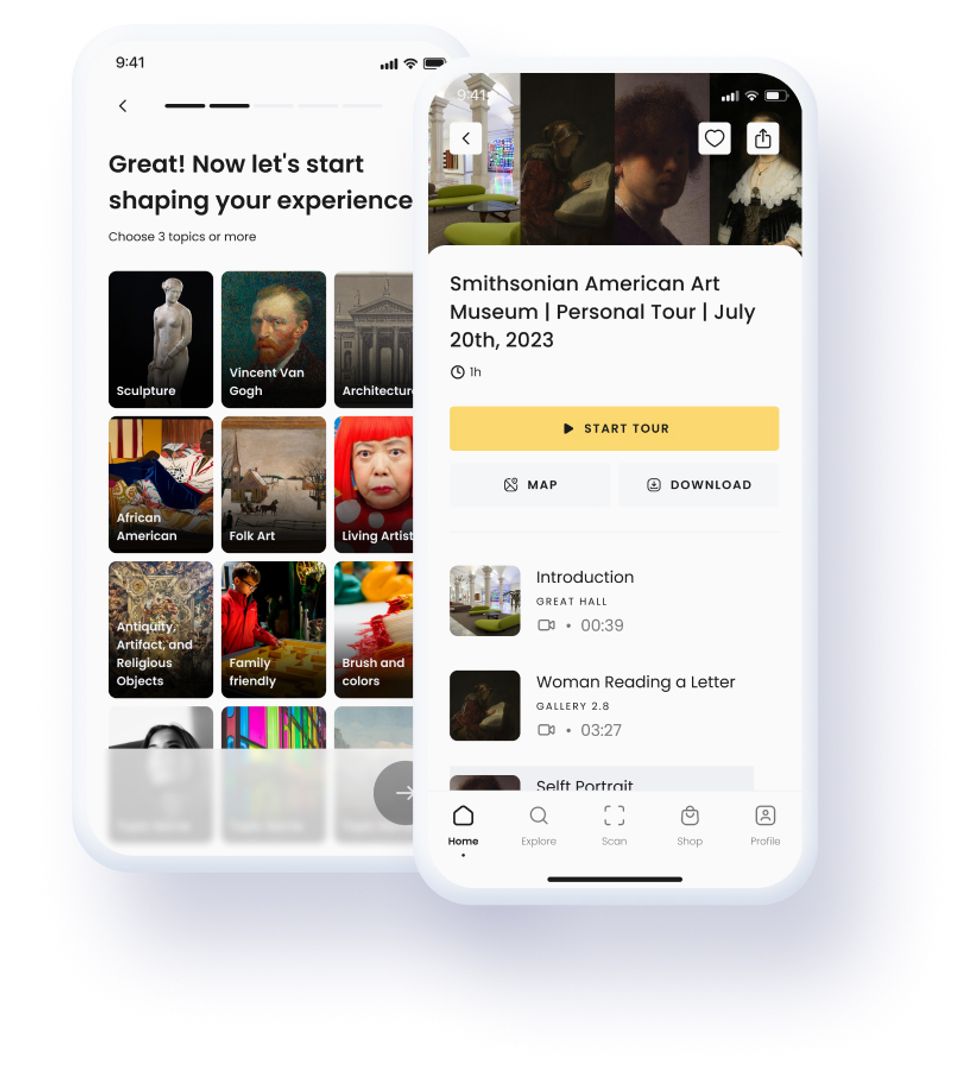
Smartify's free personalized tours are tailored to your interests and the time you have available. Simply answer a couple of quick questions and we'll hand pick a collection of unmissable objects and captivating stories just for you.


Featured Stories



Featured Video